Everyone has a role to play in reconciliation
By listening, learning and taking action, we can help create a more inclusive future for Aboriginal and Torres Strait Islander peoples and communities.
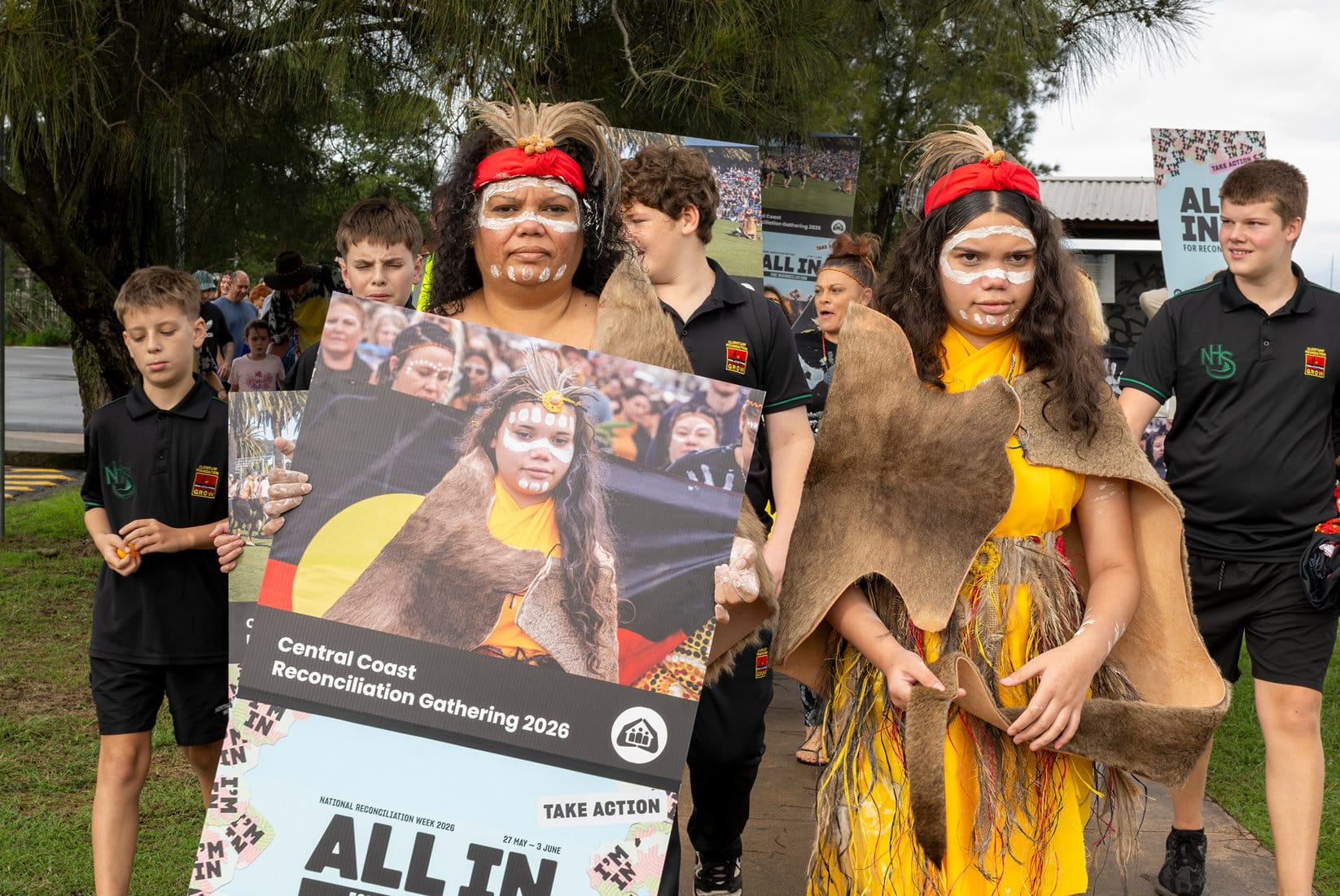
Our Commitment to Reconciliation
At Coast Shelter, reconciliation requires genuine commitment, listening and action. It is everyone’s responsibility to understand the ongoing impacts of colonisation and work towards meaningful, lasting change.
The over-representation of Aboriginal and Torres Strait Islander peoples experiencing homelessness and domestic and family violence highlights the need for continued action. We will continue to walk alongside First Nations peoples through respect, partnership and support for self-determination.
Together, we are working towards a future where Aboriginal and Torres Strait Islander peoples are safe, connected to culture and community, and empowered to thrive.
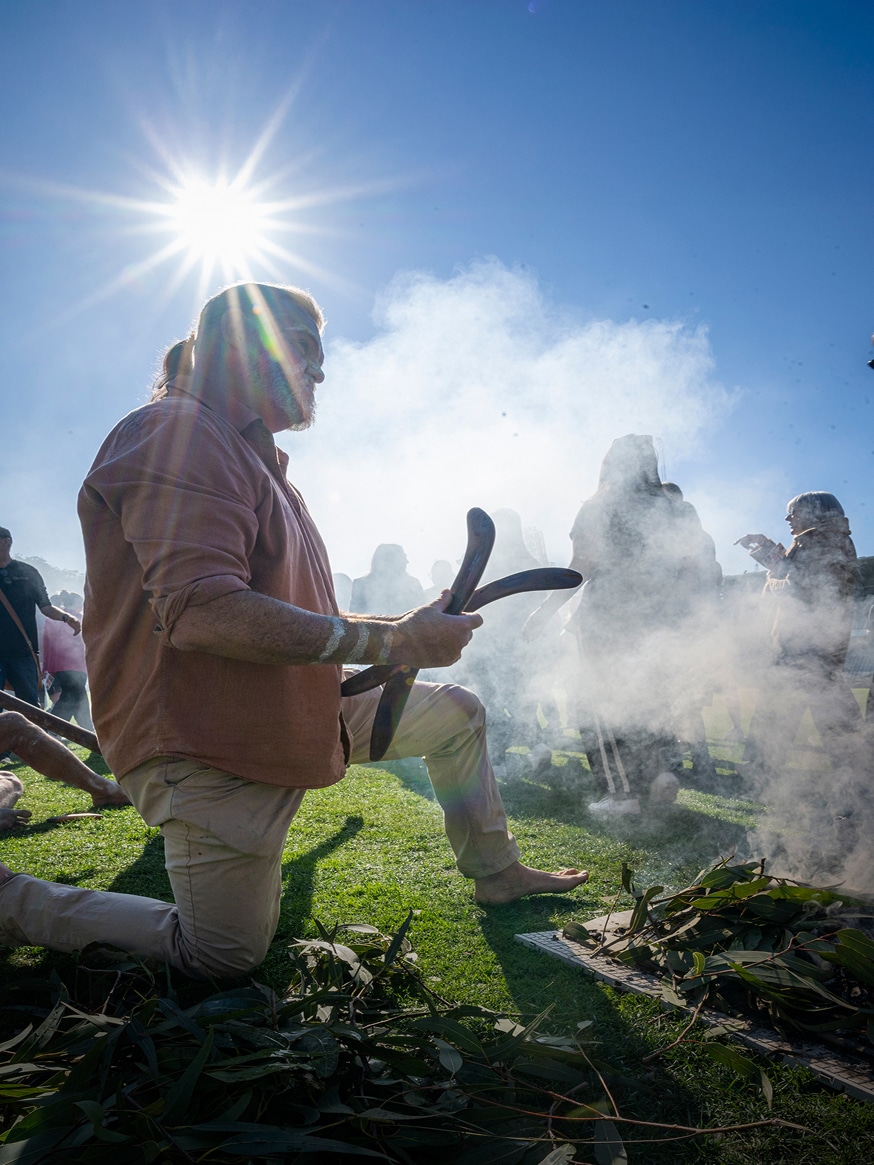
Reconciliation Action Plan
Our commitment to Aboriginal and Torres Strait Islander Peoples.
Coast Shelter acknowledges the Darkinjung and all First Nations Peoples as the Traditional Custodians of the land on which we work and live. We pay our respects to Elders past and present.
Our Innovate Reconciliation Action Plan guides how we strengthen relationships with Aboriginal and Torres Strait Islander Peoples, promote cultural safety, and make sure our services are genuinely accessible to everyone who needs them.
1 in every 3 Coast Shelter clients identify as First Nations. That’s not a statistic we file away. It informs our programs, our model of care and our engagement with our broader community.
Our First Nations Strategy
Our First Nations Strategy reflects Coast Shelter’s commitment to reconciliation and cultural safety. It outlines how we will create an inclusive workplace where First Nations employees, volunteers and contractors feel respected, valued and supported, while strengthening the cultural capability of all team members.
By embedding First Nations perspectives into our workplace practices, partnerships and decision-making, we aim to foster meaningful relationships, promote equity and contribute to better outcomes for First Nations peoples and communities across the Central Coast.
The strategy guides our approach to:
- Attraction, recruitment and retention
- Onboarding, learning and development
- Cultural capability and cultural safety
- Community engagement and partnerships
- Governance, monitoring and accountability